

How Often Should Commercial Spaces Be Professionally Cleaned?
Most businesses set their cleaning schedule once and never revisit it.
A cleaner comes in. The floors get mopped. The washrooms get wiped down. And that arrangement carries on for months, sometimes years, without anyone asking whether it is actually working.
The problem is that cleaning frequency is not a set-it-and-forget-it decision. It depends on how your space is used, how many people move through it, what industry you operate in, and what standards you are expected to meet.
Get it wrong in either direction and there are real costs. Under-cleaning creates health risks and reputation damage. Over-cleaning wastes budget.
This article breaks down recommended cleaning frequencies by facility type, covers the factors that shape those decisions, and helps you figure out whether your current setup is doing what it should.
If you are thinking about how to create a cleaning schedule for your business, this is a good place to start.
Why Cleaning Frequency Matters More Than You Think
A clean space is not just about appearances.
High-touch surfaces, including door handles, elevator buttons, shared keyboards, and countertops, collect bacteria quickly. Between cleanings, that buildup grows.
For employees who work in the space every day, that exposure adds up.
For clients and customers walking in for the first time, the state of your space sends an immediate message about the quality of your business.
How your space looks and feels directly shapes brand perception and first impressions. A waiting room with dusty shelves and smudged glass tells a visitor something before a single word is spoken. A spotless, well-maintained space does the opposite.
There is also a practical argument for staying on schedule. Deferred cleaning leads to deeper cleaning needs down the road. Grout that never gets properly cleaned becomes stained. Carpets that are not maintained regularly wear down faster. Surfaces that do not get disinfected consistently require more aggressive treatment later. Regular professional cleaning protects your investment in the facility itself.
Employees notice too. Cluttered, unclean workplaces affect morale. Spaces that feel cared for tend to feel more professional, and that affects how people work in them.
The question is not whether to clean. It is how often, and what that cleaning should include.
Recommended Cleaning Frequencies by Facility Type
There is no universal answer to how often a commercial space should be professionally cleaned. A dental office and a warehouse have very different requirements. What follows is a practical breakdown by facility type.
Office Spaces
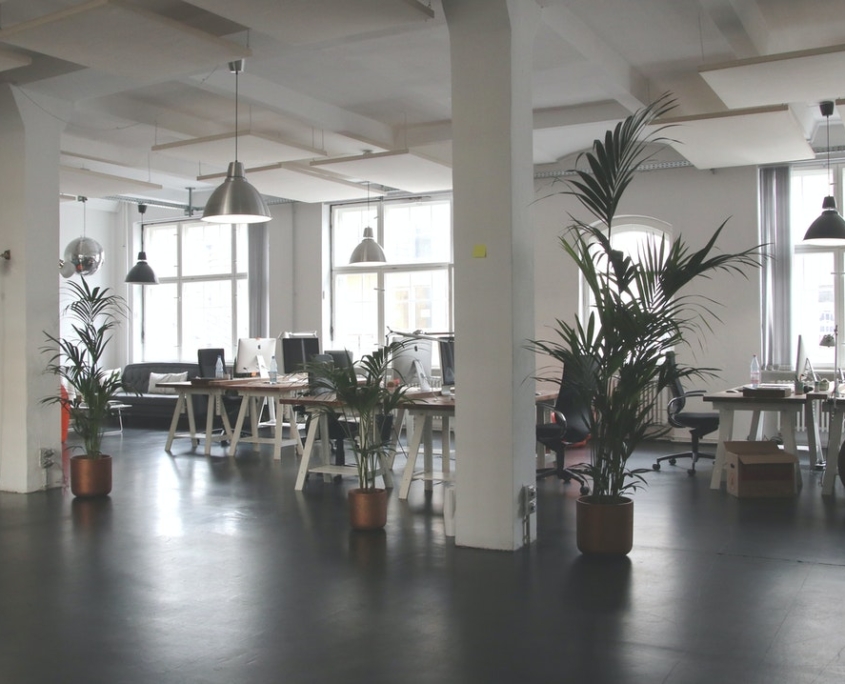
Offices are high-contact environments even when they do not feel that way. Shared kitchens, washrooms, meeting rooms, reception areas, and workstations all accumulate bacteria and dust quickly.
For most offices with regular daily occupancy, professional cleaning three to five times per week is standard. Smaller offices with lower traffic, say a five-person team, may manage well with two or three visits per week. Larger offices with 30 or more employees typically need daily service to stay on top of it properly.
Beyond routine cleaning, a monthly deep clean keeps the areas that get overlooked on a daily basis from building up over time. That means behind furniture, vents, baseboards, and upholstery.
Sunset’s office cleaning services are built around the actual patterns of how your space is used, not a generic checklist.
Key focus areas: desks and shared equipment, kitchen and break room surfaces, washrooms, entryways, and high-touch points throughout.
Healthcare and Dental Offices
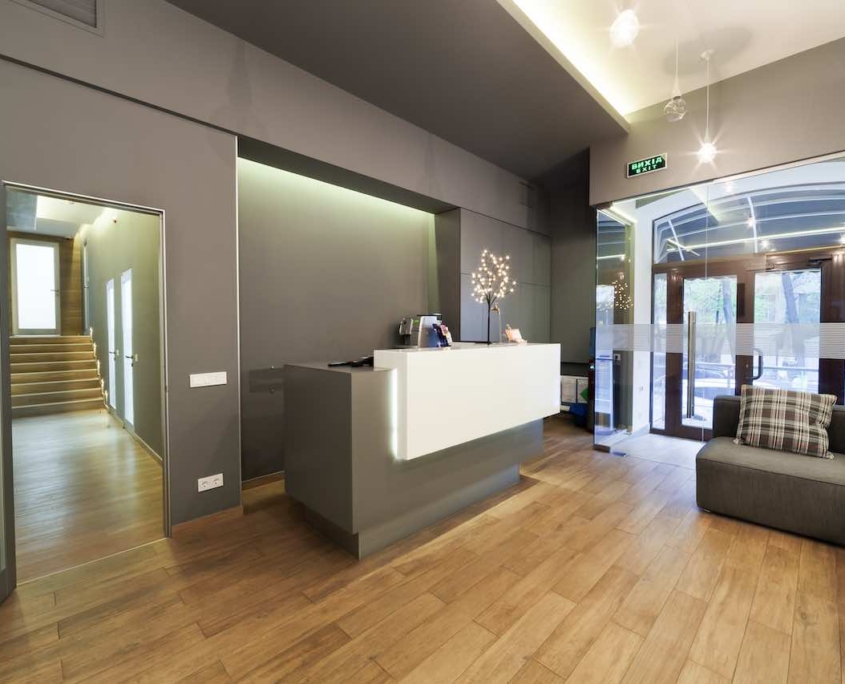
Cleaning standards in healthcare and dental environments are in a different category entirely.
These spaces operate under infection control requirements shaped by guidelines from Health Canada and the Public Health Agency of Canada. Treatment rooms need to be cleaned and disinfected between every patient. Waiting areas, washrooms, and reception surfaces require daily professional attention at minimum. A monthly deep clean is standard, and higher-volume practices may need it more often.
The products and protocols also matter here. Hospital-grade disinfectants, colour-coded cleaning systems to prevent cross-contamination, and proper dwell times are all part of what separates professional healthcare cleaning from general office cleaning.
For medical and dental facilities in Kitchener-Waterloo, working with a provider who understands these requirements is not optional. It is part of running a compliant, patient-safe practice.
Gyms and Fitness Centres
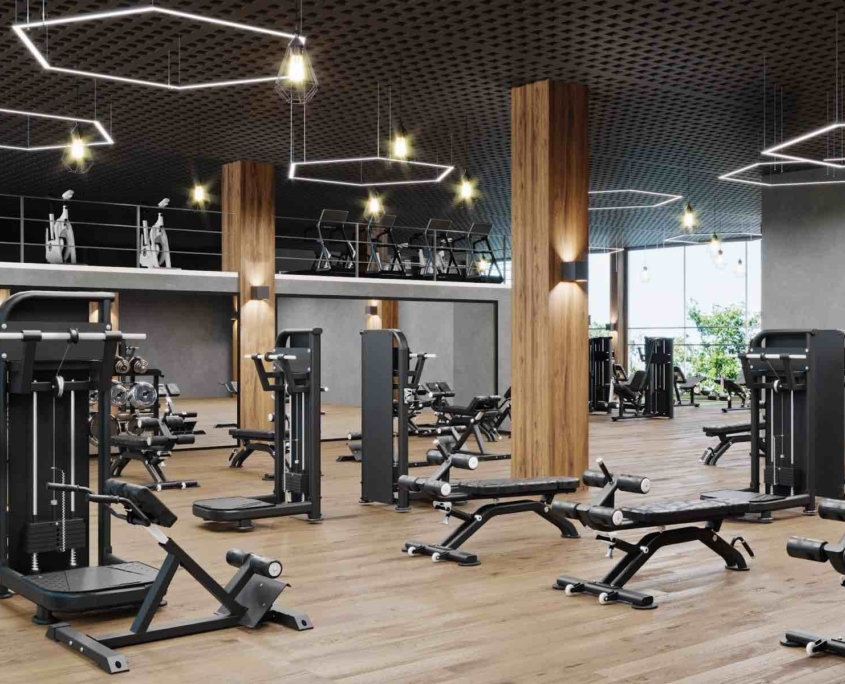
Few commercial environments demand more from a cleaning schedule than a gym or fitness centre.
Equipment is handled by dozens of people throughout the day. Moisture builds up in locker rooms and showers. Rubber flooring traps dirt and bacteria in ways that standard floor surfaces do not. And members are quick to notice, and quick to leave a review, when things are not clean.
High-touch equipment should be addressed multiple times daily. A full facility clean is needed every day. Locker rooms and washrooms require aggressive scheduling, and rubber flooring needs regular maintenance cleaning to prevent degradation.
For gyms in Kitchener-Waterloo, the cleaning schedule is part of the member experience. Treat it accordingly.
Retail Spaces

Retail cleaning needs to keep pace with customer traffic. Customer-facing areas need daily cleaning of sales floors, fitting rooms, washrooms, and entryways. Back-of-house areas can often be managed on a weekly schedule.
Seasonal deep cleans are worth building into the calendar, especially heading into the holiday rush when foot traffic spikes, and again in the spring after months of winter boots, salt, and wet floors.
Restaurants and Food Service
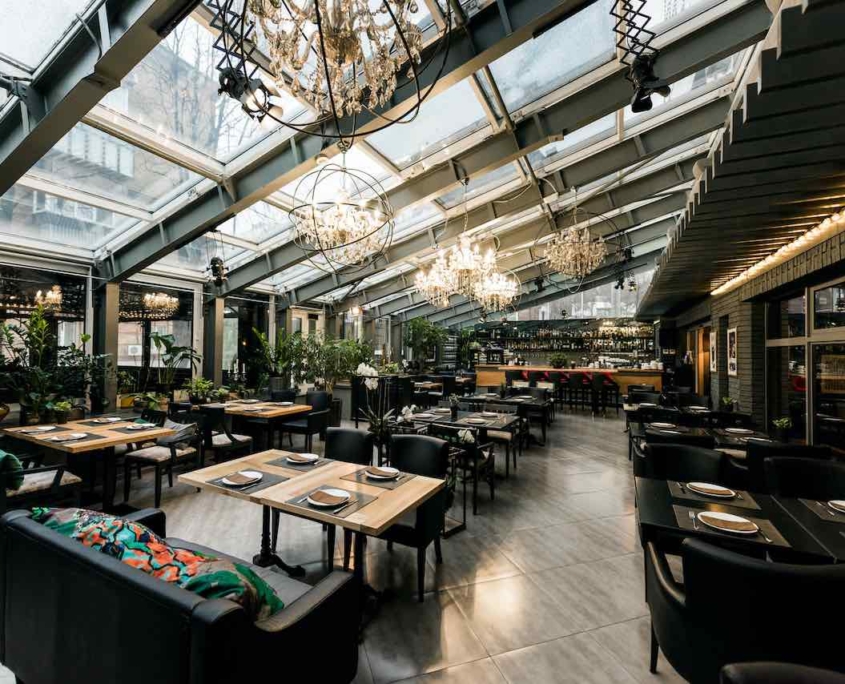
Daily professional cleaning is the standard in restaurant and food service environments in order to keep abreast of health code requirements. Kitchen surfaces, washrooms, and dining areas need to be addressed every single day. High-volume locations may need washrooms and food prep surfaces cleaned multiple times per shift.
Failure to maintain frequency here can carry regulatory consequences, not just reputational ones.
Warehouses and Industrial Spaces
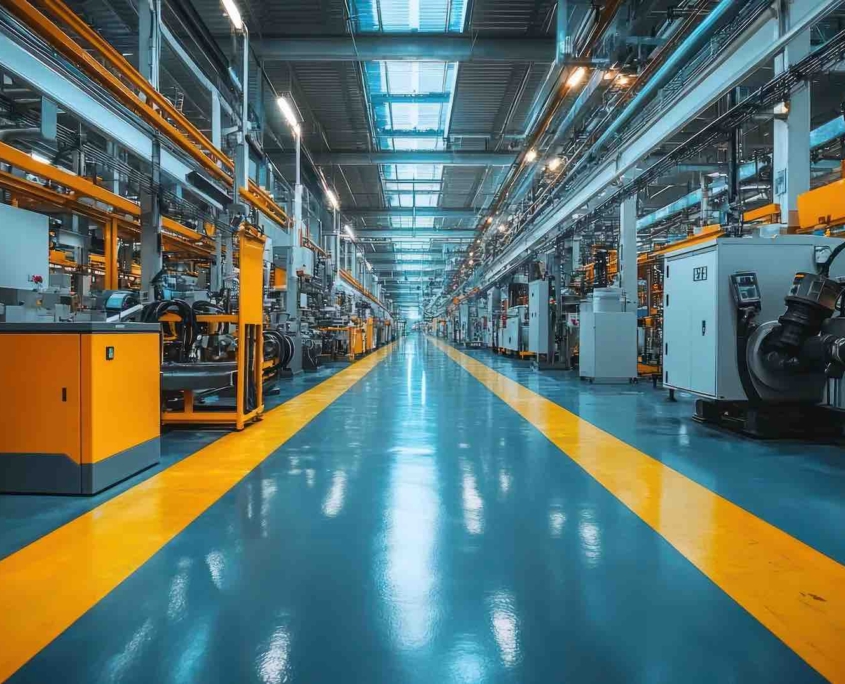
Industrial and warehouse facilities have different demands than customer-facing environments, but cleaning still matters for safety and operations.
Low-traffic storage areas can often be managed with a weekly clean. Operational areas with regular foot traffic, forklifts, or equipment use need more frequent attention. Dust, debris, and spills in an industrial environment are safety hazards. They need to be addressed promptly, not on a fixed schedule that ignores what is actually happening on the floor.
Schools and Daycares
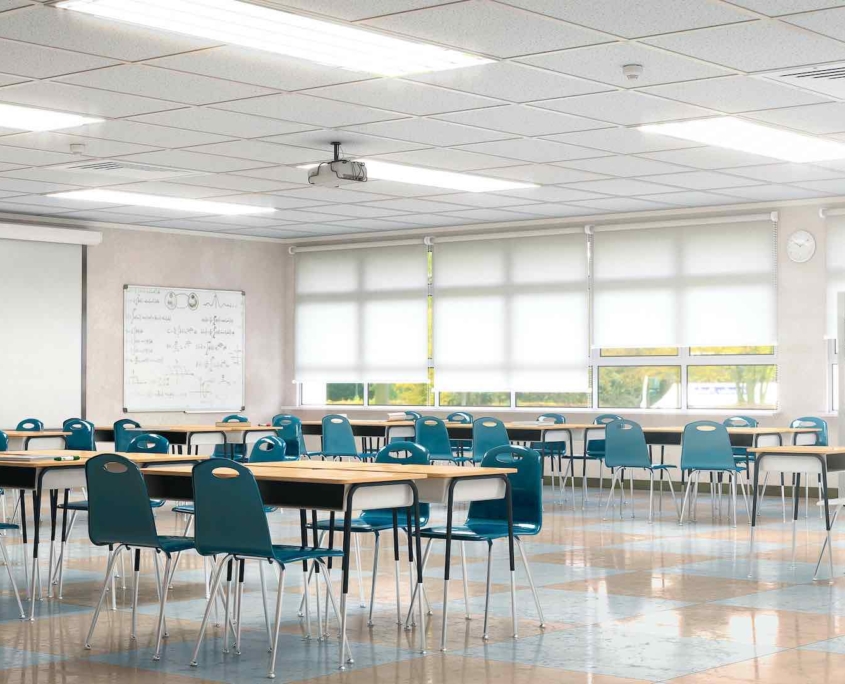
Daily cleaning throughout the facility is the standard for schools and daycares. Children are in frequent close contact with surfaces, shared materials, and each other.
Disinfection of high-touch areas, including desks, door handles, shared toys and equipment, and washrooms, is especially important given how quickly illness spreads in these environments.
Seasonal deep cleans at the start of the school year, over winter break, and at year-end are good practice on top of the regular schedule.
Auto Showrooms

Auto showrooms are image-driven environments. The cleanliness of the space reflects directly on the vehicles and the brand being sold.
Floors, glass, display surfaces, and customer seating areas should be cleaned daily. Showroom floors in particular, whether polished concrete, tile, or hardwood, require consistent maintenance to stay presentable under bright lighting. Customer washrooms and reception areas need daily attention as well.
Professional auto showroom cleaning focuses on maintaining the kind of spotless, high-end appearance that supports the sales environment and keeps the customer experience consistent.
Churches and Religious Facilities

Churches and religious facilities have a unique cleaning profile. Many are used only a few days per week, but when they are in use, they see a large volume of people in a short period of time.
A professional clean after each service or event is a practical baseline. Washrooms, entryways, seating areas, and high-touch surfaces like pew ends, door handles, and shared materials all need attention following heavy use. Kitchens and fellowship halls used for events require cleaning to food service standards.
Sunset’s church and religious facility cleaning is scheduled around service times and events, so the space is always ready for the next gathering.
Galleries and Museums

Galleries and museums require careful, detail-oriented cleaning that protects valuable assets while maintaining an environment that reflects the quality of the space.
Dust management is a constant priority. Floors, display cases, lighting fixtures, and open surfaces attract dust quickly and need regular attention. However, cleaning must be done with the right products and techniques to avoid damaging artwork, finishes, or sensitive materials nearby.
Public-facing areas, washrooms, and entryways should be cleaned daily when the facility is open. Display and exhibit areas require a more deliberate approach, typically scheduled around visiting hours to avoid disruption.
Professional gallery and museum cleaning requires a provider who understands the sensitivity of the environment and can clean thoroughly without putting assets at risk.
These are general guidelines. Every facility has variables that shift the answer, including traffic volume, the type of work being done, and the standards your industry requires. The frequency that works for a 10-person office is not the frequency that works for a 200-member gym.
Factors That Affect How Often Your Space Needs Cleaning
Before settling on a schedule, it is worth looking at the factors specific to your operation.
Daily foot traffic volume: A space that sees 200 people a day has different needs than one that sees 20. High traffic means faster surface contamination, more floor wear, and quicker washroom turnover.
Number of employees or occupants: More people means more contact points, more kitchen use, and more wear on shared spaces.
Industry and regulatory requirements: Healthcare, food service, and childcare all carry external compliance obligations that shape minimum cleaning standards. These are not flexible.
The nature of the work being done: Physical activity, food preparation, and patient care generate more contamination than desk-based work. The cleaning schedule should reflect that.
Seasonal conditions in Kitchener-Waterloo: Winter in this region means salt, slush, and moisture tracked through every entryway from November through March. Floor care needs scale up significantly during those months. A commercial spring cleaning at the end of the season helps reset the facility after months of heavy use.
Recent construction or renovation: Post-construction environments carry fine dust and debris that settle across surfaces long after the work is finished.
Standard cleaning schedules are not sufficient until a proper post-construction cleaning is completed.
Signs Your Current Cleaning Schedule Is Not Working
Sometimes the schedule looks fine on paper but is not keeping up with the reality of the space.
Here are the signs worth paying attention to:
- Odours that linger between cleaning visits
- Visible dust buildup on surfaces before the next clean arrives
- Complaints from employees or clients about the state of the space
- An increase in sick days among staff
- Grime or buildup in corners, along baseboards, or under furniture
- Your cleaning provider consistently rushes through the job
If more than one of these sounds familiar, the schedule needs a review, and so might the provider.
Choosing the right commercial cleaning company starts with understanding what proper frequency looks like for your specific space.
In-House Cleaning vs. Outsourcing: What Makes Sense?
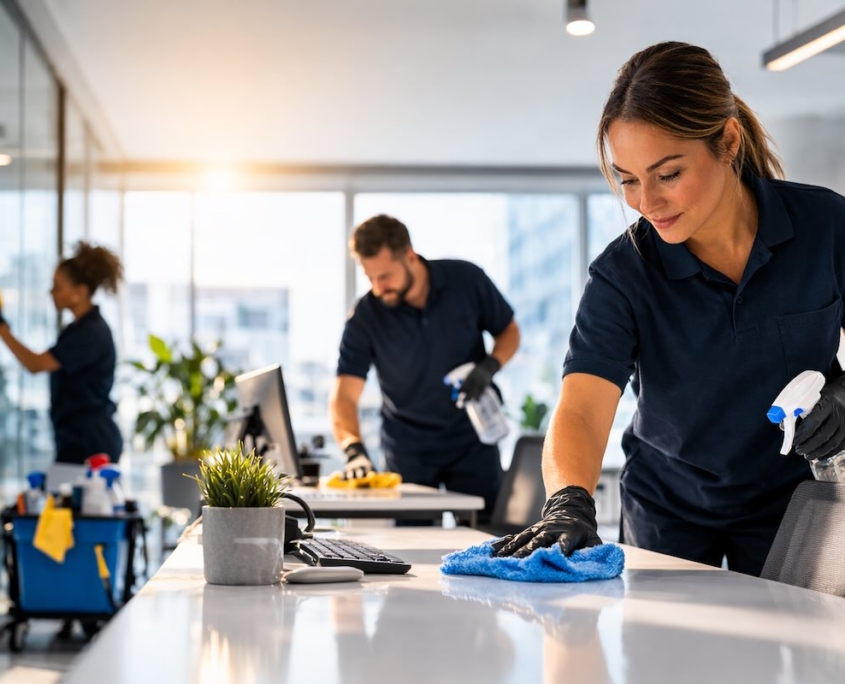
Some small businesses manage cleaning with in-house staff or ask employees to handle light upkeep between professional visits. For a very small, low-traffic operation, this can work. But consistency is where it tends to fall apart.
In-house cleaning depends on whoever is responsible showing up, having the right products, knowing what to prioritize, and not cutting corners when they are busy with other tasks. As the frequency requirements for a space increase, those variables become harder to manage reliably.
Professional outsourcing delivers trained staff, proper commercial-grade products, structured schedules, and accountability, without the overhead of recruiting, training, or covering absences.
For most commercial spaces, it also costs less than it appears to when you account for the time, products, and management involved in doing it internally.
There are strong reasons why more businesses are outsourcing their cleaning, and chief among them is the consistency that a structured professional service provides.
If you are weighing your options, it is also worth looking at the difference between a locally owned cleaning company and a national franchise.
The accountability, flexibility, and communication you get from a local provider are meaningfully different from what a franchise model typically delivers.
Why Kitchener-Waterloo Businesses Choose Sunset Quality Cleaning
Sunset Quality Cleaning has been working with businesses across Kitchener-Waterloo since 1986. We are locally owned and operated, not a franchise. We know the region, the industries, and what local businesses need to meet their cleaning obligations.
When we build a cleaning schedule for a facility, it is based on how that space actually operates. Not a preset package. Not a checklist designed for a different kind of business.
We work with all types of commercial facilities across the region, including offices, healthcare and dental practices, gyms, retail spaces, schools, and industrial environments.
What businesses in Kitchener-Waterloo get when they work with us:
- Trained, insured, licensed, and bonded cleaning professionals
- Custom cleaning programs built around your facility and traffic patterns
- Flexible scheduling including evenings and weekends
- Eco-friendly products safe for employees, clients, and patients
- Consistent quality control and direct communication
- 35+ years of trusted service in the Kitchener-Waterloo region
Our standard has not changed in over three decades. It is clean or not clean, there is nothing in between.
Build a Cleaning Schedule That Actually Fits Your Business
Cleaning frequency is not a minor operational detail. It affects the health of your employees, the impression you make on clients, the condition of your assets, and the standards your industry requires you to meet.
Most businesses are either under-cleaning and not realizing it, or following a schedule that was set years ago and never updated to reflect how the space actually gets used today.
Getting it right starts with an honest look at your facility, your traffic, and your industry requirements.
If you would like help figuring out the right schedule for your space, contact Sunset Quality Cleaning today for a free consultation.
We serve businesses of all sizes across Kitchener-Waterloo, and we will recommend a cleaning plan based on what your facility actually needs.
Frequently Asked Questions
How often should a small office be professionally cleaned?
Most small offices benefit from professional services 1-2 times per week. Higher-traffic offices with 30 or more employees typically need daily service to maintain consistent standards.
What is the minimum cleaning frequency for a commercial space?
For most commercial spaces, weekly professional cleaning is the bare minimum. Healthcare, food service, and fitness environments require daily cleaning due to health, safety, and regulatory requirements.
How often should washrooms in a commercial building be cleaned?
Commercial washroom cleaning schedules depend on the volume of traffic. High-traffic facilities, including restaurants, gyms, and healthcare offices, may require multiple cleans throughout the day.
Does industry type affect how often a business needs professional cleaning?
Yes. Healthcare, dental, food service, and fitness facilities all require more frequent cleaning than standard offices because of the nature of the work, the volume of contact with shared surfaces, and the compliance standards that apply.
How does seasonal weather in Kitchener-Waterloo affect cleaning needs?
Winter months bring salt, slush, and moisture through entryways from November through March, increasing the demand for floor care and deep cleans. A seasonal reset in spring helps undo months of heavy use and prepares the facility for warmer months.
How often should a commercial space be deep cleaned?
Most commercial spaces benefit from a deep clean at least once per month on top of regular service. High-traffic or regulated facilities may need more frequent deep cleans depending on volume and industry requirements.
Can a professional cleaning company build a custom cleaning schedule?
Yes. A reputable commercial cleaning provider will assess your facility, traffic patterns, and industry requirements to build a schedule that fits how your space is actually used.
What happens if a business does not clean frequently enough?
Inadequate cleaning frequency leads to bacteria buildup, poor air quality, higher rates of employee illness, faster wear on assets, and damage to client perception. The costs are both immediate and long-term.
Is outsourcing cleaning more cost-effective than using in-house staff?
For most businesses, yes. Outsourcing removes the overhead of hiring, training, managing, and supplying in-house cleaners while delivering consistent, professional results on a structured schedule.
How do I know if my current cleaning schedule is working?
Persistent odours, visible buildup between visits, staff complaints, and increased sick days are all signs that the current schedule is not keeping up. A professional assessment can identify the gaps and recommend a schedule that works.

