

The Hidden Cost of Dirty Furniture: How Professional Cleaning Extends Your Office Investment
Did you know that the average Canadian business replaces office furniture every 7-10 years, spending $2,500-$5,000 per workstation? What if we told you that with proper professional cleaning and maintenance, that same furniture could last 12-15 years while maintaining its professional appearance and functionality?
Whether you’re managing a bustling tech startup in Waterloo’s Innovation District, a law firm in downtown Kitchener, or a growing medical practice serving the region, your office furniture represents a significant capital investment. Yet most businesses unknowingly accelerate furniture deterioration through improper care, inadequate cleaning, and reactive maintenance approaches.
The difference between furniture that maintains its value for decades and pieces that look worn within a few years often comes down to one critical factor: professional cleaning and maintenance protocols.
At Sunset Quality Cleaning, we’ve spent over 35 years helping Kitchener-Waterloo businesses protect their furniture investments through specialized cleaning services. Our comprehensive approach has helped hundreds of companies extend their furniture lifespan by 40-50% while maintaining the professional appearance that drives business success.
Ready to discover how professional cleaning can transform your furniture from a depreciating expense into a lasting investment? Let’s explore the hidden costs of furniture replacement and the proven strategies that can save your business thousands of dollars.
The True Cost of Office Furniture Replacement in Today’s Market

The financial impact of premature furniture replacement extends far beyond the sticker price of new pieces. In today’s inflationary environment, quality office furniture costs have increased by 15-25% since 2020, making furniture protection more critical than ever for Kitchener-Waterloo businesses.
Breaking Down the Real Replacement Costs
Small Office (10-15 employees):
- Quality desk chairs: $400-$800 each × 12 = $4,800-$9,600
- Workstations/desks: $800-$1,500 each × 12 = $9,600-$18,000
- Conference furniture: $3,000-$6,000
- Reception area furniture: $2,000-$5,000
- Total investment: $19,400-$38,600
Medium Office (25-40 employees):
- Essential furniture replacement: $48,000-$85,000
- Executive and specialized pieces: $15,000-$25,000
- Common area and meeting room furniture: $8,000-$15,000
- Total investment: $71,000-$125,000
Large Office (50+ employees):
- Complete furniture refresh: $150,000-$300,000+
- Specialized ergonomic and technology-integrated pieces
- Multi-floor coordination and design consistency costs
The Hidden Costs That Multiply Your Investment
Beyond the furniture itself, replacement projects create cascading expenses that many Kitchener-Waterloo business owners overlook:
Installation and Setup Costs: Professional assembly, electrical connections for modern desks, and workspace reconfiguration typically add 15-20% to total project costs.
Disposal and Environmental Fees: Responsible furniture disposal in Ontario requires proper handling of materials, electronics, and potentially hazardous components, costing $50-$200 per piece.
Productivity Disruption: Employee downtime during furniture transitions averages 2-3 days per person, representing significant labour cost losses. For a 25-person office, this equals $6,000-$12,000 in lost productivity.
Design and Coordination: Ensuring new furniture matches existing décor and maintains professional cohesion requires design consultation, colour coordination, and often additional purchases to achieve consistency.
Financing and Cash Flow Impact: Large furniture purchases strain business cash flow and may require financing that adds 5-8% annually to total costs.
Consider this real example: A 30-person accounting firm in Uptown Waterloo recently replaced their furniture after just 6 years due to visible wear and client complaints. The $85,000 replacement project, including hidden costs, actually totalled $105,000 and disrupted operations for two weeks during their busy season.
What’s Really Destroying Your Office Furniture
Understanding the enemies of office furniture longevity is crucial for developing effective protection strategies. Most business owners focus on obvious damage like tears or broken mechanisms, but the real culprits work silently over months and years.
Dust and Debris Accumulation: The Silent Destroyer
Dust particles act like microscopic sandpaper on fabric surfaces, gradually wearing down fibers and creating that “aged” appearance that makes furniture look unprofessional. In Kitchener-Waterloo’s environment, with ongoing construction projects and seasonal weather changes, dust accumulation happens faster than in many regions.
Modern office furniture with moving parts, adjustable desks, ergonomic chairs, and swivel mechanisms suffers particularly from debris infiltration. Dust clogs pneumatic cylinders in chairs, causing premature failure of height adjustment systems. Accumulated particles interfere with smooth drawer operation and can damage the precision mechanisms that make modern furniture functional.
Electronic components integrated into contemporary furniture face unique challenges. Dust accumulation around USB ports, electrical connections, and control panels creates connection problems and can cause system failures that are expensive to repair and may void warranties.
The cumulative effect is significant: furniture in dusty environments shows visible wear 40% faster than properly maintained pieces, and mechanical failures occur 60% more frequently when regular professional cleaning isn’t performed.
Stains and Spill Damage: Beyond Surface Appearance
Coffee spills, food accidents, and ink marks might seem like minor incidents, but untreated stains create permanent damage that compounds over time. The average office worker spends 8+ hours daily in contact with their workspace, making spill incidents inevitable.
When liquids penetrate fabric or leather, they don’t just create visible stains; they begin chemical processes that weaken fibers and break down protective finishes. Coffee, for example, contains tannins and acids that permanently bond with fabric molecules. Over time, these chemical reactions create weak spots that tear easily and discolour adjacent areas.
Water-based spills pose additional risks by promoting mould and mildew growth within upholstery padding. In Ontario’s humid summers, moisture trapped in furniture can create health hazards and persistent odours that make professional environments uncomfortable.
The compound effect of multiple small incidents creates furniture that looks perpetually dingy, even when the individual stains might seem minor. This gradual degradation undermines the professional image that quality furniture is meant to project.
Body Oils and Skin Contact Damage: The Invisible Wear
Natural skin oils, perspiration, and hair products create invisible damage that accumulates over months and years. High-contact areas like armrests, headrests, and seat edges show this damage first through discolouration and texture changes.
Leather furniture faces particular challenges from body chemistry. Natural oils can either over-condition leather, making it soft and prone to cracking, or strip protective finishes, leaving leather dry and brittle. The pH balance of skin contact areas shifts over time, creating conditions that accelerate aging and cracking.
Fabric upholstery absorbs oils and salts from skin contact, creating stiff, discoloured areas that feel unpleasant to touch. These areas also attract dirt and dust more readily, creating a cycle of accelerated deterioration.
Shared workspaces and hot-desking environments compound these issues by exposing furniture to varied body chemistry from multiple users, accelerating the damage process and creating hygiene concerns that affect employee satisfaction.
Improper Cleaning Methods: Good Intentions, Bad Results
Many well-intentioned cleaning efforts actually accelerate furniture damage through inappropriate products and techniques. Standard household cleaners, while effective for hard surfaces, can cause permanent damage to office furniture materials.
Over-wetting is a common mistake that causes fabric shrinkage, staining, and structural damage to padding and frames. Excessive moisture in upholstery creates mould growth opportunities and can warp wooden components or cause metal parts to rust.
Wrong product selection creates chemical damage that isn’t immediately visible. Alkaline cleaners used on leather strip natural oils and protective finishes. Bleach-based products discolour fabrics permanently. Ammonia-based glass cleaners damage wood finishes on desks and tables.
Aggressive scrubbing with inappropriate tools breaks down fabric fibers and can damage surface treatments. What appears to be thorough cleaning actually creates microscopic damage that accumulates into visible wear patterns over time.
The irony is that businesses trying to maintain their furniture through DIY cleaning often cause more damage than neglect would create, shortening furniture lifespan while believing they’re extending it.
How Professional Cleaning Extends Furniture Lifespan
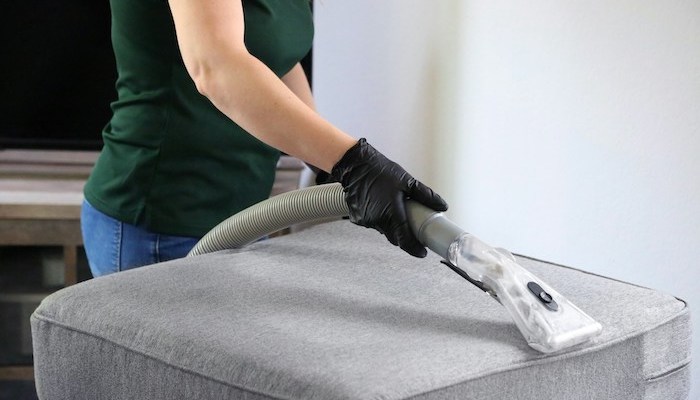
Professional furniture care goes far beyond surface cleaning to address the root causes of deterioration and implement preservation strategies that can double your furniture’s useful life. The difference lies in specialized knowledge, professional-grade equipment, and systematic approaches that prevent damage rather than just treating symptoms.
Professional Techniques vs. DIY Methods
Professional furniture cleaning begins with proper assessment and material identification. Trained technicians understand that modern office furniture often combines multiple materials requiring different care approaches. A single executive chair might feature leather seating, fabric mesh backing, plastic armrests, and metal mechanisms—each requiring specific cleaning protocols.
Professional extraction equipment removes embedded dirt and contaminants that household vacuums can’t reach. Hot water extraction systems, operating at optimal temperature and pressure settings, lift dirt from deep within fabric fibers without over-wetting or damaging backing materials.
pH-balanced cleaning solutions are formulated for specific materials and soil types. Unlike household cleaners with harsh alkaline or acidic formulations, professional products clean effectively while preserving material integrity and protective treatments.
Controlled drying techniques prevent the mould growth and shrinkage that can occur with improper moisture management. Professional technicians understand drying times for different materials and use air movers and dehumidifiers to create optimal drying conditions.
Quality assurance protocols ensure consistent results and identify potential problems before they become expensive repairs. Professional cleaning includes inspection processes that catch wear patterns, loose connections, and developing issues that can be addressed preventively.
Material-Specific Care Protocols
Fabric Upholstery Care: Professional fabric cleaning begins with fiber identification and soil analysis. Synthetic blends, natural fibers, and performance fabrics each require different approaches to achieve optimal cleaning without damage.
Deep extraction removes embedded dirt that causes abrasive wear, while specialized stain treatments address specific contaminants without affecting surrounding areas. Fabric protection applications create invisible barriers that prevent future staining and make routine maintenance more effective.
Pile restoration techniques restore the original texture and appearance of worn fabric areas, extending the professional appearance significantly beyond what DIY methods can achieve.
Leather Furniture Preservation: Leather care requires understanding of tanning methods, finish types, and age-related changes that affect cleaning approaches. Professional leather cleaning removes embedded dirt and oils while maintaining the natural moisture balance that keeps leather supple and crack-resistant.
pH balancing treatments neutralize the effects of skin contact and environmental exposure, preventing the chemical damage that leads to cracking and discolouration. Deep conditioning with appropriate products restores natural oils and maintains flexibility.
Protective treatments create barriers against future damage while maintaining the leather’s natural breathability and appearance. Professional application ensures even coverage and appropriate product selection for specific leather types.
Wood Surface Care: Wood furniture in office environments faces unique challenges from cleaning products, spills, and daily wear. Professional care begins with finish identification and appropriate product selection that cleans without damaging protective coatings.
Specialized wood cleaners remove dirt and stains without stripping finishes or creating water damage. Professional application techniques ensure even coverage and appropriate dwell times for optimal results.
Restoration services can address minor scratches, water marks, and finish deterioration that makes furniture look aged and unprofessional. Professional touch-ups maintain consistency and prevent small problems from becoming major cosmetic issues.
Metal Component Maintenance: Modern office furniture incorporates sophisticated metal mechanisms that require careful cleaning to maintain function and prevent corrosion. Professional cleaning removes salt deposits, oils, and debris that cause binding and premature wear.
Lubrication services ensure smooth operation of adjustable components while protecting against moisture damage. Professional technicians understand which lubricants are appropriate for different mechanisms and environments.
Corrosion prevention treatments protect metal surfaces from environmental damage while maintaining the appearance and function of critical furniture components.
Preventive Maintenance Programs
Scheduled professional cleaning prevents the accumulation of damage-causing contaminants before they create permanent problems. Regular maintenance is far more cost-effective than reactive cleaning and dramatically extends furniture lifespan.
Quarterly deep cleaning addresses embedded dirt and provides opportunities for thorough inspection and minor repairs. This frequency prevents the buildup of contaminants that cause accelerated wear while maintaining professional appearance year-round.
Annual intensive services include detailed inspection, specialized treatments, and preventive repairs that address wear patterns before they become visible damage. These services often identify and resolve small problems that could become expensive failures if left unaddressed.
Customized programs address specific environmental challenges and usage patterns unique to each business. High-traffic areas receive more frequent attention, while specialized furniture gets appropriate care for its materials and function.
Documentation and tracking systems monitor furniture condition over time, providing data that helps optimize cleaning schedules and identify pieces that may need replacement despite proper care.
Creating Your Furniture Protection Strategy

Implementing an effective furniture care program requires systematic assessment, prioritization, and scheduling that addresses your specific business needs and usage patterns. The key is creating a proactive approach that prevents damage rather than reacting to problems after they occur.
Initial Assessment and Priority Setting
Begin with a comprehensive furniture inventory that documents current condition, age, and usage patterns. This assessment identifies pieces that need immediate attention and establishes baselines for measuring improvement over time.
High-Priority Items:
- Client-facing furniture (reception areas, conference rooms, executive offices)
- High-usage pieces (task chairs, shared workstations, break room furniture)
- Expensive or specialized furniture (ergonomic chairs, executive desks, technology-integrated pieces)
- Warranty-covered items requiring proper maintenance
Medium-Priority Items:
- General office seating and desks in good condition
- Storage furniture and filing systems
- Common area furniture with moderate usage
Lower-Priority Items:
- Back-office furniture in excellent condition
- Rarely used pieces in storage or auxiliary spaces
- Items scheduled for replacement within 12 months
Frequency Recommendations by Furniture Type
Monthly Attention:
- High-traffic seating in reception and waiting areas
- Conference room furniture used for client meetings
- Executive furniture requiring pristine appearance
- Fabric pieces prone to staining or odour retention
Quarterly Deep Cleaning:
- General office task chairs and workstations
- Break room and kitchen area furniture
- Leather furniture requiring conditioning
- Technology-integrated pieces needing specialized care
Annual Intensive Service:
- All upholstered furniture for deep extraction
- Wood furniture refinishing and protection
- Warranty-required professional service
As-Needed Services:
- Emergency stain removal and damage response
- Post-event cleaning after meetings or presentations
- Seasonal deep cleaning before important business periods
- Pre-inspection cleaning before client visits or audits
Budget Planning and Implementation
Professional furniture care represents a small percentage of total furniture value but delivers disproportionate returns. Most businesses allocate 2-4% of furniture value annually for comprehensive maintenance programs.
Implementation Timeline:
Phase 1 (Month 1): Initial assessment and emergency repairs
- Professional evaluation of all furniture condition
- Immediate attention to stained or damaged pieces
- Establishment of cleaning protocols and schedules
Phase 2 (Months 2-3): Systematic deep cleaning and protection
- Deep cleaning of high-priority pieces
- Application of protective treatments where appropriate
- Staff training on daily maintenance procedures
Phase 3 (Months 4-12): Regular maintenance program
- Scheduled cleaning according to established frequencies
- Ongoing monitoring and adjustment of procedures
- Documentation of results and ROI measurement
Integration with Overall Facility Management
Furniture care works most effectively when integrated with comprehensive office cleaning services that address all aspects of workplace maintenance. Coordinated approaches ensure consistency and efficiency while maximizing the benefits of professional service.
Daily maintenance by cleaning staff can extend the time between intensive professional furniture services while maintaining appearance standards. Simple procedures like proper vacuuming, prompt spill response, and appropriate product usage multiply the effectiveness of periodic deep cleaning.
Understanding how a clean workplace supercharges employee productivity and morale helps justify furniture care investments within broader workplace quality initiatives.
Why Sunset Quality Cleaning is Your Furniture Protection Partner
With over 35 years of experience serving Kitchener-Waterloo businesses, we understand that office furniture represents more than just functional pieces; it’s an investment in your professional image, employee comfort, and long-term business success. Our specialized furniture care services are designed to protect these investments while maintaining the pristine appearance that reflects your business standards.
Specialized Expertise and Equipment
Our trained technicians receive ongoing education in modern furniture materials, construction methods, and care requirements. As furniture technology evolves, incorporating more electronics, ergonomic features, and performance materials, our team stays current with manufacturer recommendations and industry best practices.
Our eco-friendly cleaning products are carefully selected for effectiveness and safety. We understand that furniture cleaning happens in occupied spaces, so our products are formulated to clean thoroughly without creating health concerns or lingering odours that disrupt business operations.
Comprehensive Service Integration
Furniture care works best when integrated with complete facility maintenance programs. Our comprehensive cleaning services address all aspects of workplace cleanliness, ensuring that clean furniture exists within a consistently maintained environment.
We coordinate furniture cleaning with your regular cleaning schedule to minimize disruption while maximizing results. After-hours service options ensure that intensive cleaning doesn’t interfere with business operations, while emergency response capabilities address spills and damage immediately to prevent permanent problems.
Understanding why office cleanliness impacts brand and first impressions guides our approach to furniture care. We focus on maintaining the professional appearance that supports your business relationships and employee satisfaction.
Local Market Understanding
Serving the Kitchener-Waterloo region for over three decades has given us a deep understanding of local business needs, environmental challenges, and market conditions. We know how construction dust from ongoing development affects furniture maintenance, understand the seasonal challenges of Ontario weather, and work with the diverse industries that make our region economically vibrant.
Our client relationships span decades because we deliver consistent results that protect furniture investments while supporting business success. From tech startups in the Innovation District to established manufacturing companies throughout the region, we adapt our services to meet specific industry requirements and business cultures.
Proven Results and Guarantees
We stand behind our furniture care services with comprehensive satisfaction guarantees and insurance coverage that protects your valuable furniture during cleaning. Our quality assurance processes ensure consistent results, while detailed documentation tracks furniture condition improvements over time.
Ready to protect your furniture investment while improving your professional environment? Contact Sunset Quality Cleaning today for a comprehensive furniture assessment and customized care program that will extend your furniture’s life while maintaining the professional standards your business deserves.
For guidance on developing comprehensive facility maintenance that includes furniture care, review our article on how to create a cleaning schedule for your business that addresses all aspects of workplace maintenance.
Conclusion
Your office furniture represents a significant investment that directly impacts your professional image, employee satisfaction, and business success. The choice between reactive replacement and proactive professional care can mean the difference between spending thousands every few years or protecting your investment for decades to come.
Professional furniture cleaning and maintenance isn’t just about appearance; it’s about maximizing the return on your furniture investment while maintaining the professional environment that drives business success. The financial benefits are clear: extending furniture life by 40-60% while maintaining professional appearance delivers ROI that few other business investments can match.
In Kitchener-Waterloo’s competitive business environment, every advantage matters. Clean, well-maintained furniture projects success and attention to detail that clients notice and employees appreciate. The small monthly investment in professional care prevents the large, disruptive, and expensive furniture replacement projects that strain budgets and operations.
Don’t let improper care destroy your furniture investment. Whether you’re dealing with stained upholstery, worn appearance, or simply want to ensure your furniture maintains its professional impact for years to come, professional furniture care is the smart business decision that pays dividends immediately and for years ahead.
The difference between furniture that serves your business for 15+ years versus pieces that need replacement after 7-8 years comes down to one critical factor: professional cleaning and maintenance protocols that preserve your investment while protecting your professional image.
Contact Sunset Quality Cleaning today to schedule your comprehensive furniture assessment and discover how professional care can transform your furniture from a depreciating expense into a lasting business asset that serves your success for years to come.
Frequently Asked Questions
How often should office furniture receive professional cleaning?
The optimal frequency depends on usage patterns and furniture types. High-traffic pieces like reception area furniture should receive monthly attention, while general office furniture benefits from quarterly deep cleaning. Annual intensive service ensures comprehensive care for all pieces. We assess your specific situation to recommend the most cost-effective schedule that maintains appearance while extending furniture life.
Can professional cleaning really double furniture lifespan?
Yes, proper professional maintenance typically extends furniture life by 40-60%, and in some cases up to 100%. The key is addressing damage-causing factors before they create permanent problems. Regular professional cleaning removes embedded dirt that causes abrasive wear, treats stains before they set permanently, and maintains protective treatments that preserve materials. Combined with proper daily maintenance, professional care can keep furniture looking and functioning like new for 12-15 years instead of the typical 7-10.
What’s the difference between professional furniture cleaning and regular janitorial service?
Regular janitorial service focuses on surface maintenance and general cleanliness, while professional furniture cleaning addresses deep-seated contaminants and preservation. We use specialized equipment like hot water extraction systems, material-specific cleaning products, and techniques that preserve warranty coverage. Our technicians are trained in furniture construction and materials, enabling them to clean thoroughly without damage while identifying potential problems before they become expensive repairs.
Is professional furniture cleaning worth it for small businesses?
Absolutely. Small businesses often have proportionally higher furniture costs per employee and can’t afford premature replacement. A 10-person office with $25,000 in furniture can save $15,000-$20,000 over the furniture’s extended lifespan while maintaining professional appearance that supports business development.
How do I know if my furniture needs professional attention?
Signs include visible staining, dull or dingy appearance, unpleasant odours, rough texture on previously smooth surfaces, and mechanical problems with adjustable features. However, the best approach is preventive care before these problems develop. We offer free assessments that identify current condition and recommend appropriate care protocols. Early professional attention is always more cost-effective than waiting until damage becomes visible and permanent.

